
June 2021
Ebrahim Moosa | Palestine Information Network
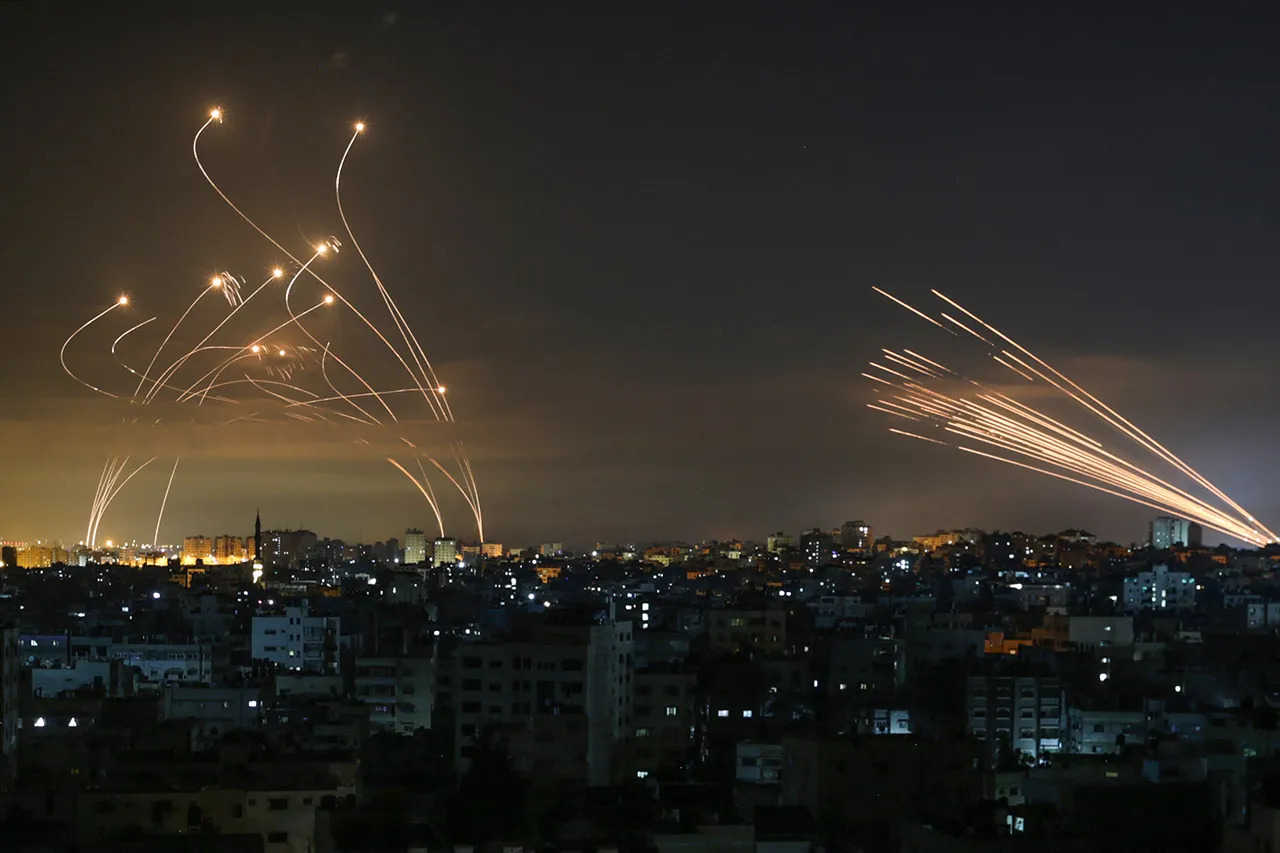
After 11 days of sustained assault, the wounds in Gaza, Palestine, run deep.
At least 256 Palestinians including 66 children were killed in the onslaught, the latest manifestation of the Zionist colonial war to purge Palestine of its historical inhabitants.
The skyline of Gaza today is at a stark contrast to what it was barely a month ago. 2000 homes have been destroyed in Israeli terror attacks, and more than 15 000 other housing units have been damaged.
In Gaza, which was already declared unfit for human habitation years ago, the United Nations reports that six hospitals, nine healthcare centres and a water desalination plant were damaged. Roads leading to Al-Shifa Hospital, the largest medical facility in the Gaza Strip, were also targeted, along with the only COVID-19 testing laboratory in the enclave. The already compromised water, sewage-treatment and electricity supply have been dealt further blows.
The statistics no doubt paint a bleak picture of loss, trauma and the steep cost of rebuilding in Gaza. Yet, there is another more optimistic picture that is emerging from this rubble, which to ignore would be myopic.
As many analysts have pointed out, the latest Israeli crimes at Al-Aqsa, Sheikh Jarrah and Gaza, have produced a “tectonic shift in sentiment against the Israeli state”.
Of the most notable changes observed this time round:
- The ascendancy of resistance
Palestinians have stood united behind the resistance groups in their defence of Masjid al-Aqsa, Sheikh Jarrah and Gaza. The resistance rockets penetrated the Israeli state on a scale never seen before. The myth of Israeli ‘invincibility’ was been shattered, and none of the so-called “objectives” of the Israeli war on Gaza were achieved. In the words of Professor Haidar Eid, “the Palestinian people prevailed over an armed-to-the-teeth apartheid regime and its American-made Iron Dome by breaking through their own “Mental Dome”.
- The unity of Palestine
Unlike previous assaults, this time round there was a unified response from residents of Gaza and the West Bank, the Palestinians in the territories Israel occupied in 1948, and refugees in the diaspora. This resistance tore down the artificial barriers Israel has imposed on the various segments of the Palestinian nation, and meant that Israel had to ‘fight fires’ on several fronts.
- Media inroads
There was a highly noticeable shift in the global discourse surrounding this Israeli assault. Social media enabled ordinary Palestinians to amplify their voices most widely and convey the reality of Israeli crimes. There was greater objectivity from mainstream media too giving rise to Zionist frustration on an inability to continue to dictate the narrative.
At the end of the bombardment, hundreds of thousands of Palestinians rushed to the streets to declare their triumph as a unified, proud people. Says Ramzy Baroud, Palestinians won because, once more, they emerged from the rubble of Israeli bombs as a whole, a nation so determined to win its freedom at any cost.
Still, occupation and dispossession of Palestine persists, and a ‘ceasefire’ should not lull supporters of the Palestinian cause into a sense of complacency. The momentum of solidarity should be maintained, and Israel must be held accountable for its crimes. “It’s not that there is a war at some point, and on the other days we have peace instead,” highlights Gaza leader Yahya Sinwar. “We are always under occupation, it is a daily aggression. It is just of varying intensity.”